Career Exam Guide for Free Career Tests and Better Career Choices
A career exam is not an exam you pass or fail. It is a structured way to notice what kinds of work activities, environments, and problem types may fit you better than others. If you are comparing a free career test, career quiz, or career aptitude test, the useful question is not "Which one gives the final answer?" It is "Which one gives me better questions to investigate?" A career interest assessment based on Holland Code ideas can be a practical starting point because it turns broad uncertainty into clearer interest patterns, possible paths, and next steps to research.

What a Career Exam Really Measures
A career exam usually measures one or more of four areas: interests, work preferences, values, and sometimes aptitudes. Interests describe the activities you naturally pay attention to, such as building, analyzing, creating, helping, leading, or organizing. Work preferences describe the environments where you may feel more focused, such as independent research, hands-on tasks, team service, or structured operations. Values describe what you want work to provide, such as stability, autonomy, income growth, learning, recognition, or social impact.
The word "exam" can sound more formal than "quiz," but in career planning it usually means assessment. The goal is not to rank you against other people. The goal is to reveal patterns you can compare with real roles, school majors, training options, and daily work tasks.
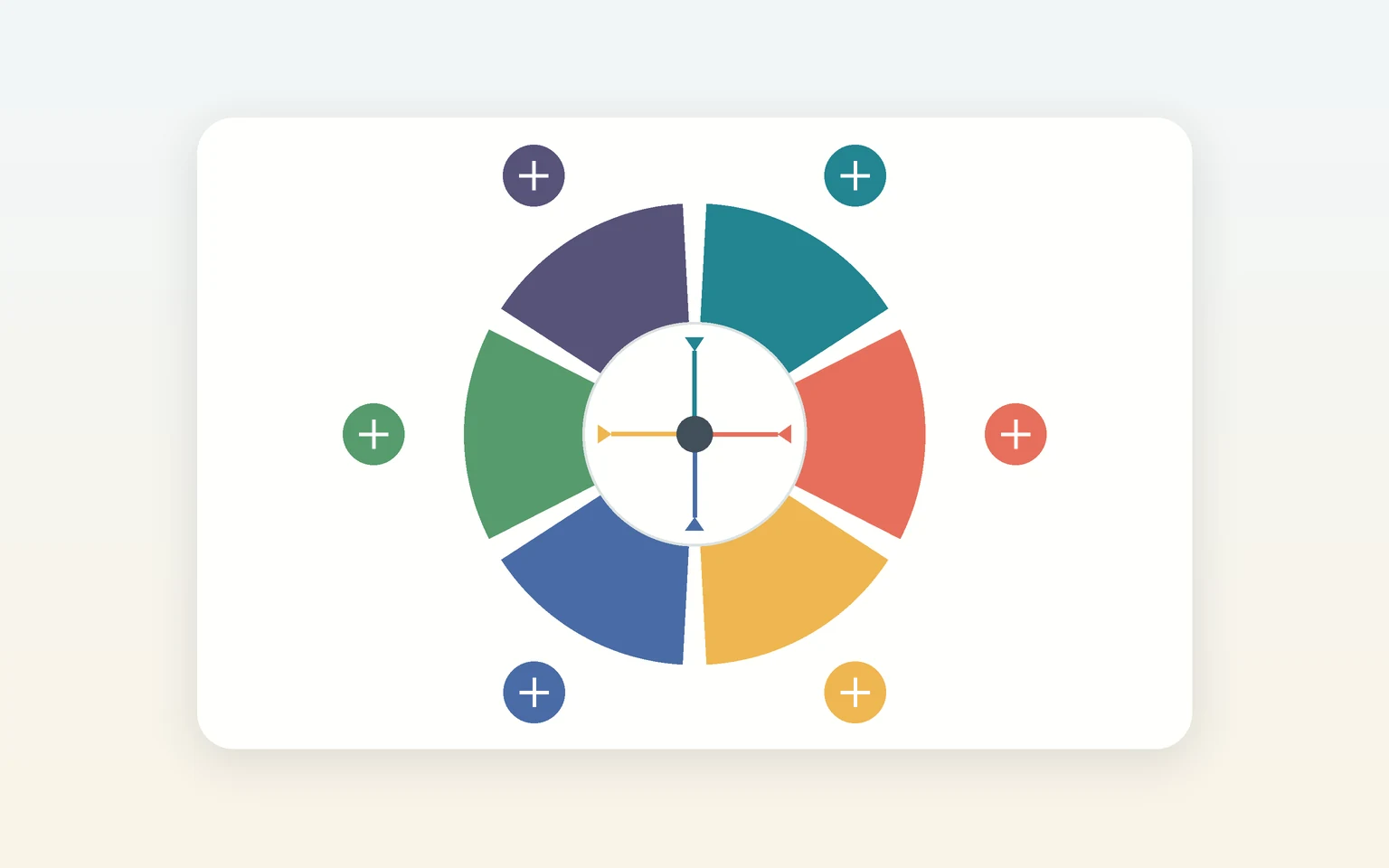
RIASEC assessments are one common model. They organize vocational interests into six themes: Realistic, Investigative, Artistic, Social, Enterprising, and Conventional. A Holland Code result combines your strongest themes into a short profile, such as ISE or SCA. That profile should not be treated as a fixed label. It is better used as a map for reflection: Which parts feel true, which careers match those themes, and what evidence can you collect next?
Career Exam vs Career Quiz vs Career Aptitude Test
People often use these terms interchangeably, but they can imply different expectations.
| Term | What it usually means | Best use |
|---|---|---|
| Career exam | A structured assessment of interests, preferences, values, or fit signals | Getting a broad career direction |
| Career quiz | A shorter, lighter set of questions | Quick reflection or first-step exploration |
| Career aptitude test | A test that may focus on abilities, strengths, or natural task fit | Comparing strengths with career demands |
| Career placement exam | A school or program-specific tool for advising or course placement | Academic planning with an advisor |
A short career quiz can be useful when you are just beginning. A deeper career aptitude test may be better when you want more detailed matches, stronger reasoning, or a report you can revisit. For students, a free career test can help connect interests with majors, internships, and course clusters. For adults, it can support a career change conversation by showing which parts of current work feel energizing and which parts feel draining.
The best option depends on your decision stage. If you need language for self-reflection, start simple. If you need to compare several possible paths, choose a tool that explains why each match appears and what to research next.
How to Choose a Free Career Test That Fits You
A free career test is most helpful when it is transparent about what it measures and modest about what it can promise. Before you spend time on any career exam free of charge, check these points.
- Clear theory or framework: Look for a tool that explains whether it is based on interests, personality, work values, skills, or a model such as Holland Codes.
- Relevant question style: Good questions ask about activities and preferences, not only dream job titles.
- Actionable results: A useful report gives career areas, work environments, and next research steps, not only a flattering personality description.
- Audience fit: A free career test for students should help with majors and school-to-work exploration. A free career test for adults should also make room for experience, constraints, and career change.
- Honest limits: Any assessment should say that results are suggestions, not a final decision.
If you want a RIASEC-focused option, a free RIASEC career quiz can help you organize your interests before you compare occupations. That matters because many people begin with job titles too early. They search for "best careers" before they know what kind of work patterns actually fit their attention, motivation, and preferred environment.
Also consider privacy and access. Some tools are fully free. Others let you begin for free and reserve deeper reports, PDFs, or coaching features for paid upgrades. That does not make them bad, but it should be clear before you invest time in a long assessment.
How to Read Your Results Without Overtrusting Them
Career exam results are strongest when you treat them as hypotheses. A high match does not mean the job will automatically fit your life, and a low match does not mean a path is closed. Results are based on your answers, the model behind the assessment, and the way occupations are grouped.
Use this three-part reading method:
- Look for repeating themes. Are your top results clustered around analysis, helping, creating, managing, building, or organizing?
- Compare the daily work. A title can sound exciting while the everyday tasks do not fit you. Read job descriptions, course outlines, and internship posts.
- Test one small assumption. If a role seems promising, try a short project, informational interview, class module, volunteer task, or job shadow before making a major move.
For example, a student whose results lean Investigative and Conventional might explore data analysis, lab work, accounting, operations, or research support. But the next question is not "Which one is correct?" It is "Which one uses evidence, structure, and problem solving in a way I would want to practice?"
An adult career changer can use results differently. Instead of starting from scratch, compare your result with your current role. Which tasks already fit? Which tasks create friction? Which skills transfer into a better-matched environment? This keeps the career exam practical rather than abstract.
A Practical Checklist Before You Act on a Career Exam
Before changing majors, applying to training programs, or rewriting your resume, run your results through a simple filter.
- Interest fit: Do the suggested paths include tasks you would willingly practice even when they are difficult?
- Skill fit: Which skills do you already have, and which would require training?
- Environment fit: Would you prefer independent work, frequent collaboration, field work, structured routines, or flexible creative projects?
- Market reality: What education, credentials, location, pay range, and entry-level roles are typical?
- Personal constraints: What time, cost, family, health, and schedule factors matter?
- Evidence quality: Did the result explain its reasoning, or did it only list jobs?
This checklist helps separate curiosity from commitment. A career exam can open the door, but your next decision should also include research, real-world conversations, and honest reflection about your life situation.
If your top matches surprise you, do not reject them immediately. Ask what signal the result might be noticing. Sometimes an unexpected match points to a work style you have underused. Sometimes it simply shows that one answer pattern was too broad. Either way, the result gives you something concrete to examine.
Best Career Exam Options for Students, Teens, and Adults
Students and teens usually need a career exam that connects interests with school choices. A useful student report should help answer questions such as: Which subjects should I explore more deeply? Which clubs, projects, or internships could test my interests? Which majors connect to my strongest themes?
Adults often need a different layer. They may already know what they can do, but not what still feels meaningful. For adults, the strongest career exam results connect interests with work values, transferable skills, preferred environments, and next-step experiments. A career quiz that only says "you are creative" or "you are analytical" may feel encouraging, but it does not help much unless it explains how that pattern could translate into roles.
CareerExplorer, formerly associated with Sokanu, is one well-known career exploration platform. As of recent public information, its career test is free to take, while membership or deeper features may vary by platform and plan. More broadly, many career tools use a free-plus-upgrade model. When comparing them, focus less on whether a tool has the longest report and more on whether the free result helps you make a better next research move.
The "best" career exam is usually the one that fits your immediate decision. A high school student choosing subjects, a college student choosing a major, a job seeker refining a resume, and a mid-career professional considering a pivot may all need different levels of detail.
Turn Your Career Exam Results Into a Shortlist
The real value of a career exam appears after you turn the result into action. Start with three to five possible paths, not twenty. For each path, write one sentence about why it fits, one concern you need to check, and one small step you can take this week.
Here is a simple action component:
| Path | Why it might fit | What to verify | Small next step |
|---|---|---|---|
| Data analyst | Enjoys patterns and evidence | Daily coding and reporting load | Review three entry-level job posts |
| UX researcher | Likes people plus analysis | Interviewing and synthesis demands | Watch one role overview and list skills |
| Project coordinator | Likes structure and teamwork | Meeting load and deadlines | Compare two job descriptions |
After that, talk to a teacher, advisor, mentor, career counselor, or professional in the field if you can. A career exploration tool for Holland Code reflection can make the conversation more focused because you bring patterns and questions instead of only uncertainty.
Use the result as a starting point for better decisions, not as a shortcut around decision-making. The strongest path is usually built from several signals: what the assessment suggests, what real work requires, what your constraints allow, and what you are willing to practice.
FAQ
What is a career exam?
A career exam is a structured assessment that helps you explore career options based on interests, work preferences, values, strengths, or aptitude signals. It is not usually a pass-or-fail exam. It is a tool for narrowing options and creating better questions for career research.
Is there a free career test?
Yes. Many free career tests and career quizzes are available online. Some provide a full free result, while others offer an initial result for free and charge for deeper reports. Check what is included before starting, especially if you want a downloadable report or detailed career matches.
Which exam is best for career planning?
The best career exam depends on your goal. If you are exploring interests, a Holland Code or RIASEC assessment is a strong starting point. If you are comparing work values, choose a values-focused tool. If you are preparing for a specific program, use the assessment recommended by your school or advisor.
Is CareerExplorer really free?
CareerExplorer publicly describes its career test as free to take, though related membership features, deeper tools, or plan details can change. Treat it like any platform: review what is included in the free result and whether any paid upgrade is optional before relying on it.
Are free career tests accurate?
Free career tests can be useful, but accuracy depends on the model, question quality, your honesty while answering, and how well the results are explained. They should be used as career exploration support, not as the only basis for a major life decision.
Can students use a career exam to choose a major?
Yes, students can use a career exam to connect interests with possible majors, course clusters, internships, and future roles. It should be paired with school advising, course research, and small experiments such as projects or job shadowing.
What should I do after a career quiz gives me results?
Choose three to five suggested paths, read real job descriptions, compare daily tasks, and test one small assumption. A result becomes useful when it leads to research, conversations, and low-risk experiments.